
Bringing Innovation and Humanity: ICLTE 2026 Launch
ICLTE 2026 Recap – Day 1
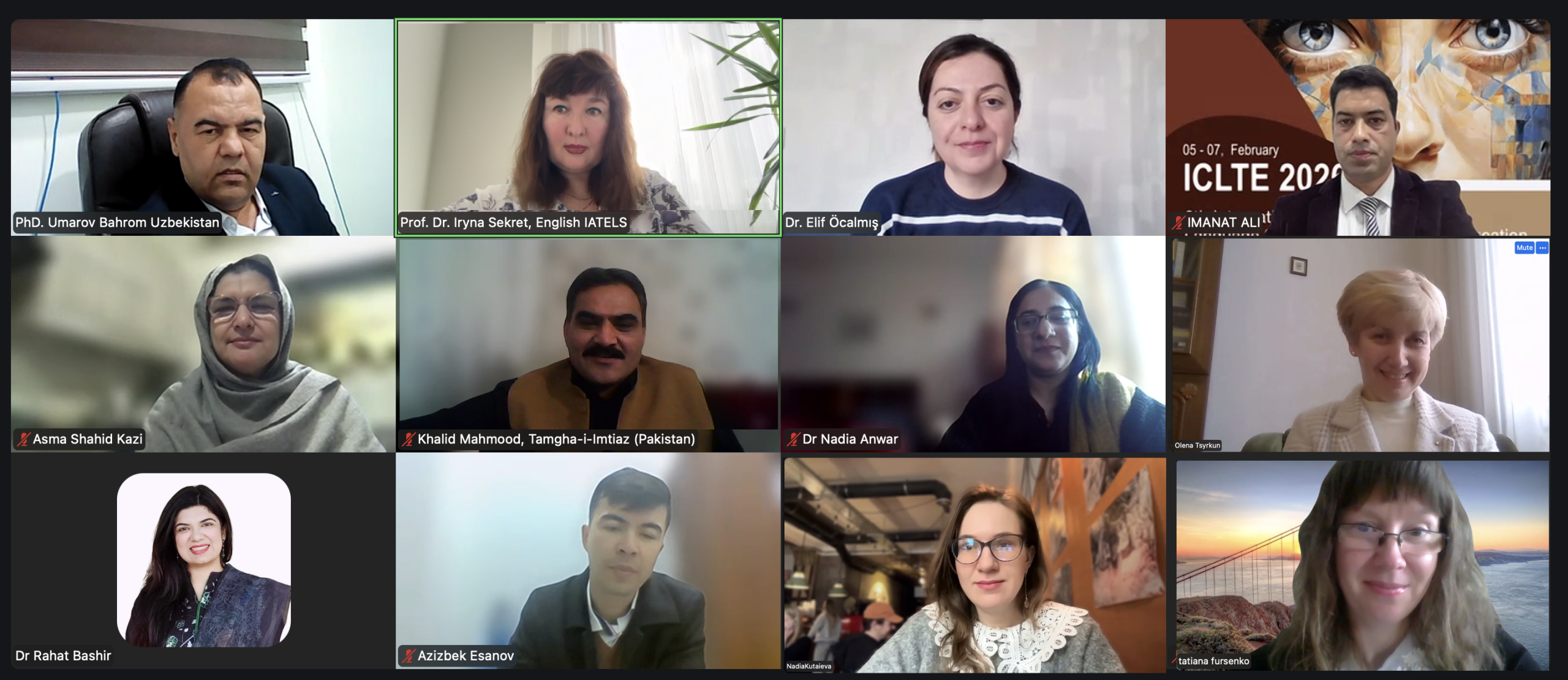
The 6th International Conference on Language Studies, Translation and Education (ICLTE 2026) opened its doors this week, bringing together a vibrant global community of educators, researchers, and tech visionaries.
The first day was a testament to the resilience of the academic spirit, particularly as we navigated the intersection of rapid AI advancement and the enduring need for human-centric education.
Here is a detailed look at the highlights, breakthroughs, and discussions that defined our opening sessions.
Opening Plenary: Redefining Student Success
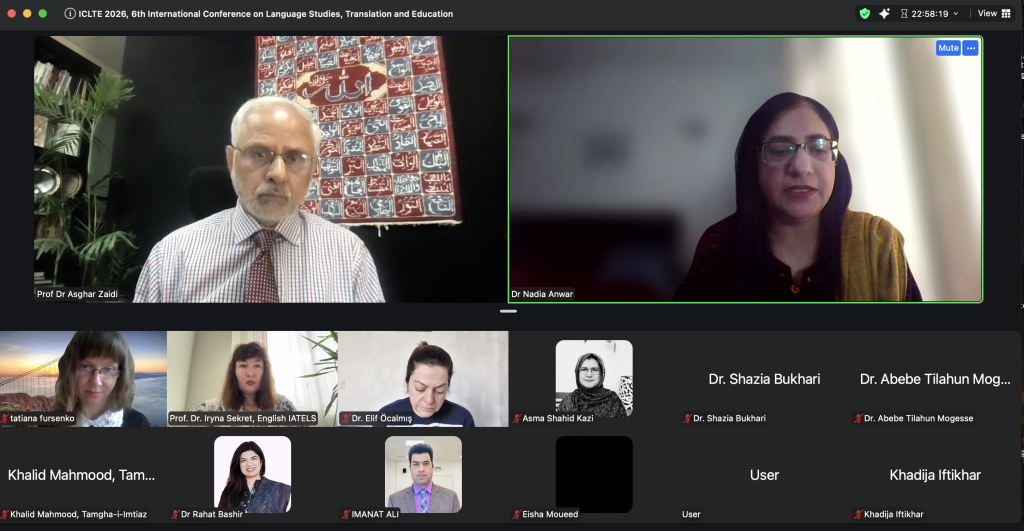
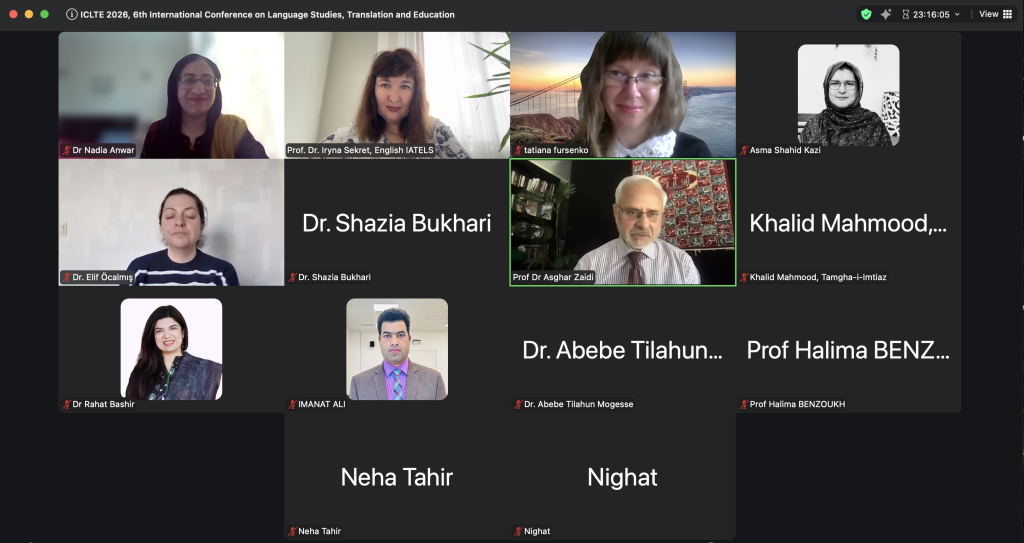
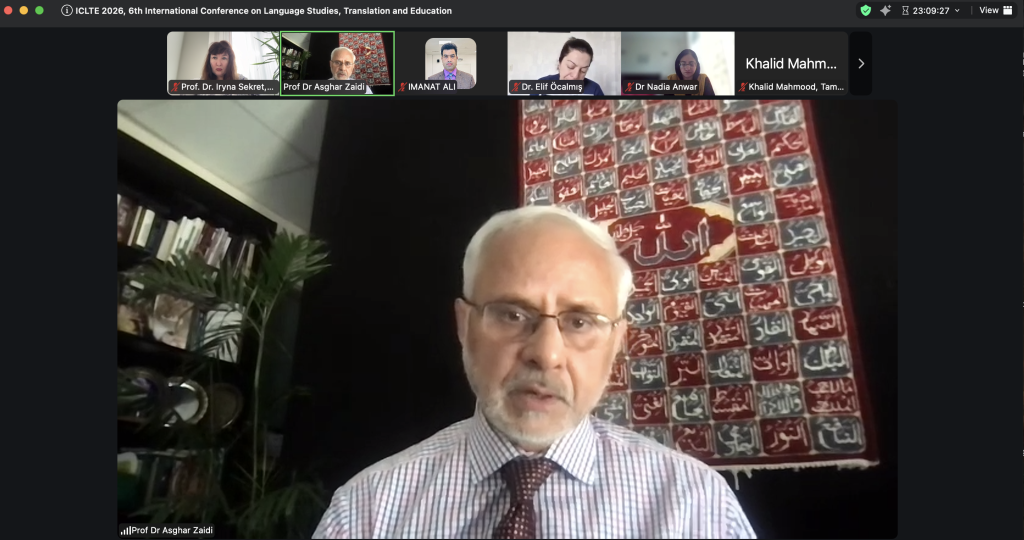
The conference commenced with a warm welcome to our international delegates, including fDr. Elif Öcalmış rom Ankara University and Prof. Dr. Zaidi, Provost of the University of Management and Technology (Lahore, Pakistan).
Professor Zaidi delivered a provocative opening address that challenged the traditional “degree-first” mindset.
He argued that in 2026, student success must be redefined to include mental health, personal stability, and financial resilience.
- The Tech Edge: He proposed using AI not just for grading, but as a predictive tool to identify students in crisis before they drop out.
- The Human Edge: The establishment of “front office” support systems to provide a physical, empathetic touchpoint for students navigating a digital-heavy curriculum.
Global Initiatives: IATELS and the Power of Partnership
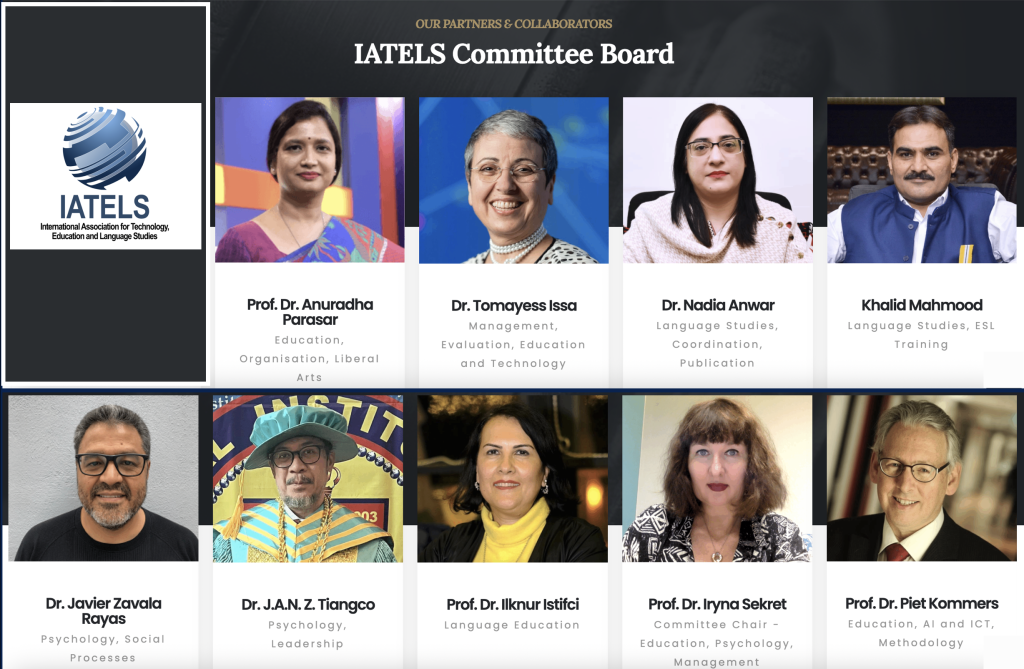
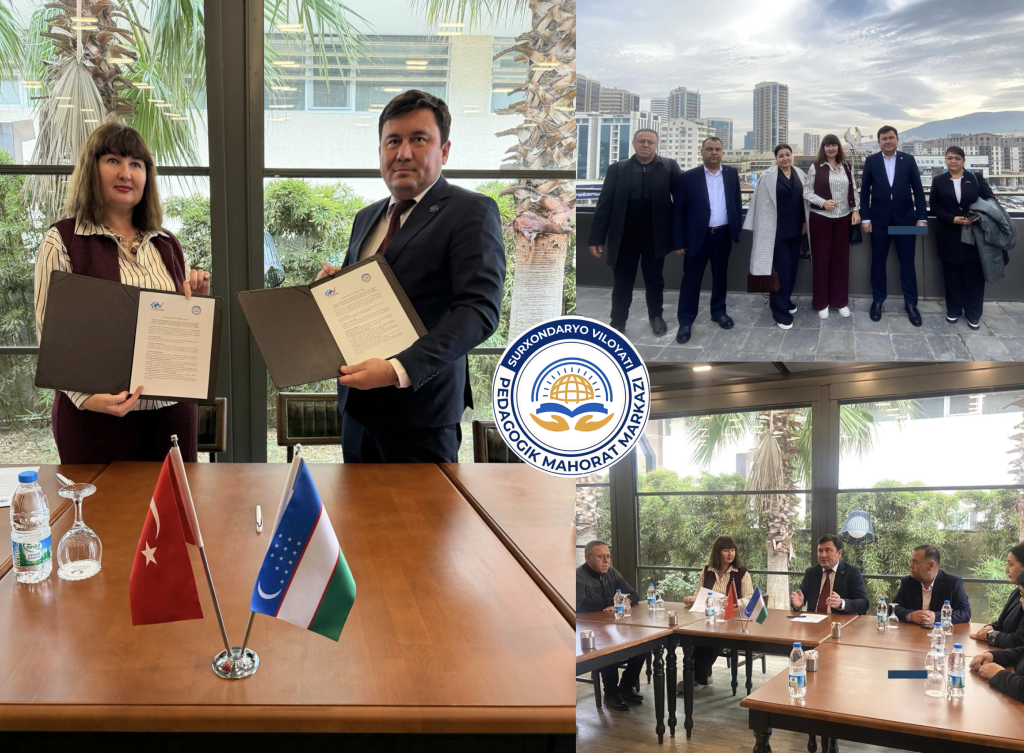
Prof. Dr. Iryna Sekret, IATELS Committee Chair, provided a comprehensive overview of IATELS’ global footprint. The speaker focused on the initiatives and achievements of IATELS, particularly in the areas of education, technology, and languages. Prof, Dr. Iryna Sekret highlighted the organization’s collaboration with various universities globally, including new partnerships with institutions in Ukraine and Uzbekistan.
She discussed the upcoming conferences, including the International Conference on Language Studies, Translation and Education (ICLTE), and the Erasmus Plus project focusing on AI in education.
She also shared details about the development of textbooks and programs for school students, as well as the launch of a new English-speaking club.
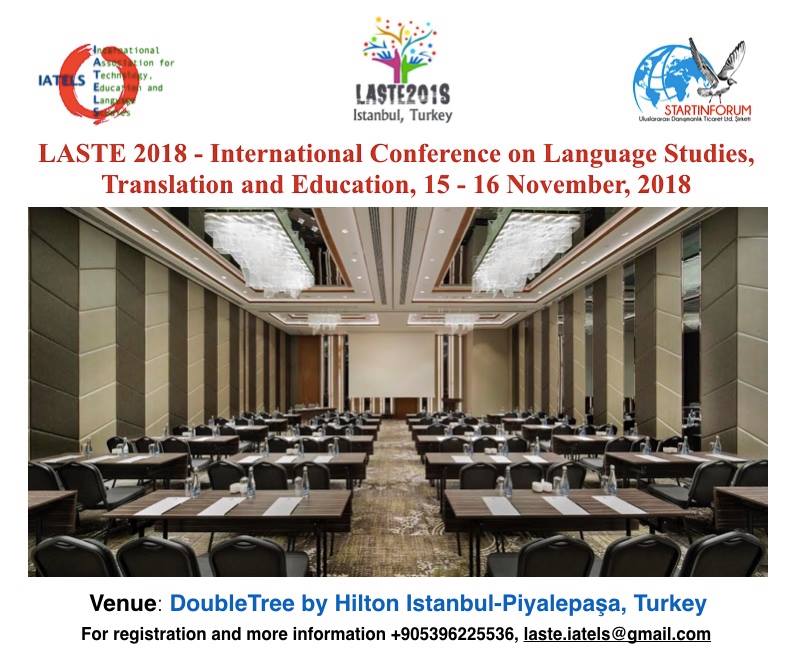
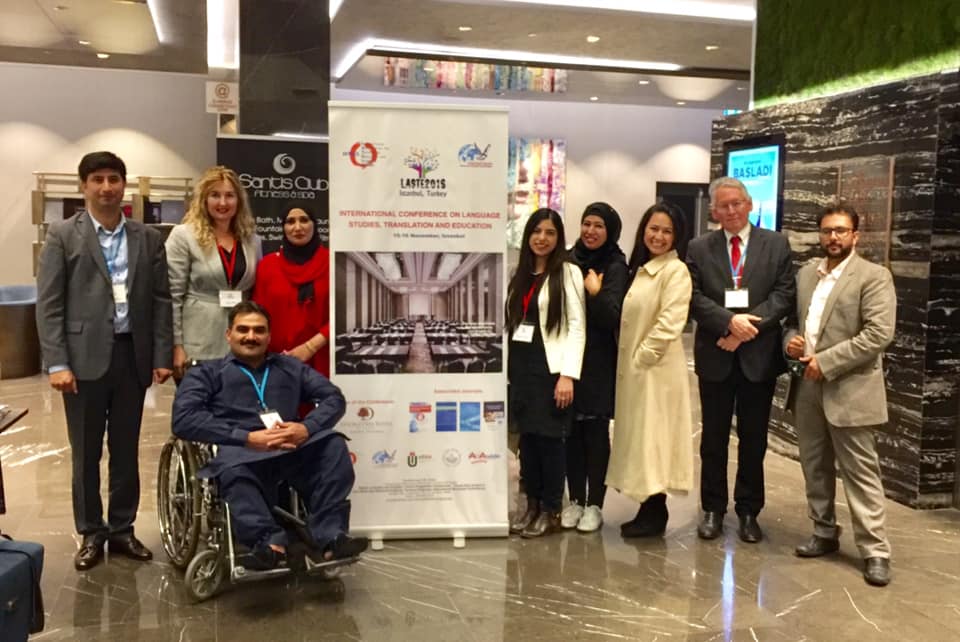
- ICLTE Launch: Prof. Dr. Iryna Sekret made a brief overview of the past of ICLTE which roots in 2018, Istanbul, Turkiye. She mentioned that the connections and partnerships established that time have grown into new collaborative frameworks and continue flourishing,
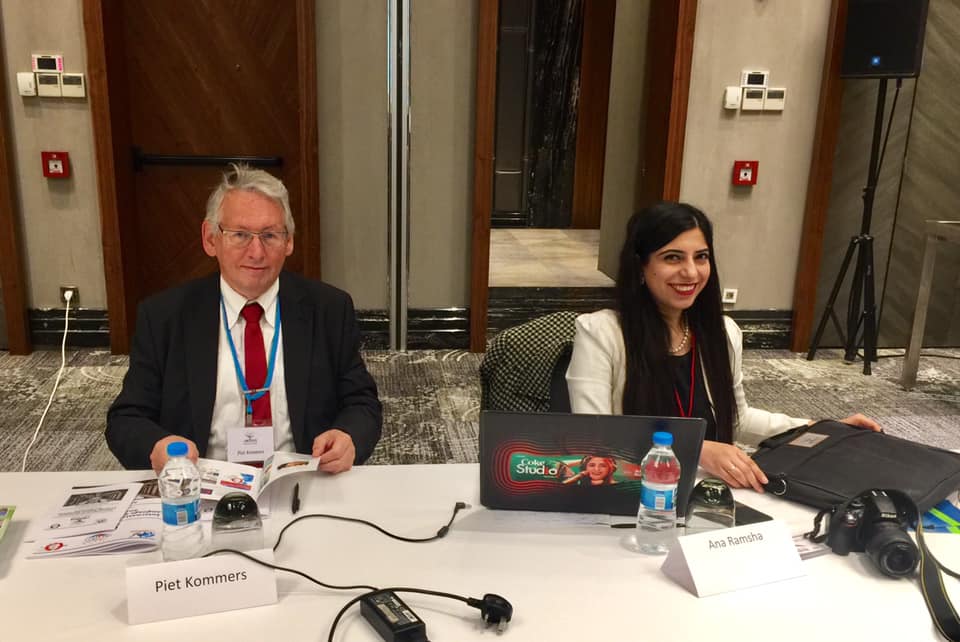
- New Resources: The speaker made an announcement of specialized textbooks for school students and a newly launched global English-speaking club underscored IATELS’ commitment to practical, accessible language acquisition.
The speech ended with an invitation for participants to engage actively in the current conference and explore future collaboration opportunities.

Spotlight on Ukraine: Excellence Amidst Adversity
A significant portion of Day 1 was dedicated to the extraordinary work coming out of Ukrainian institutions despite the ongoing challenges of the war.
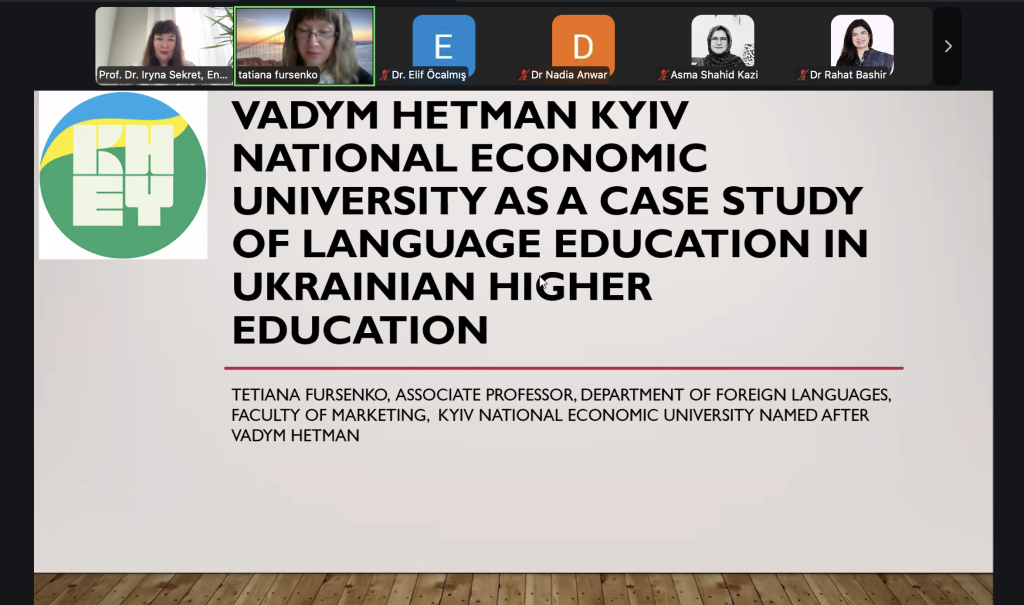
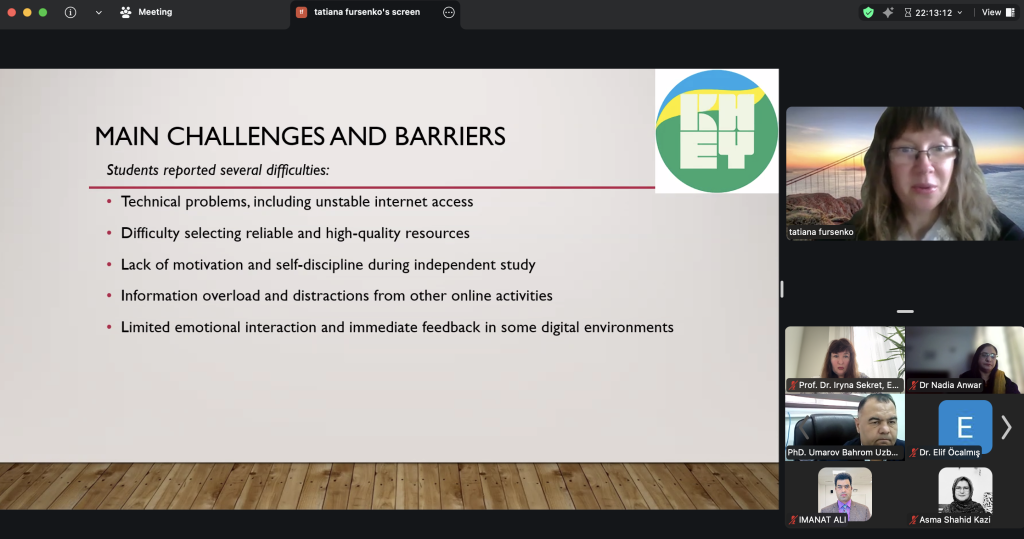
- Marketing & Tradition (KNAO): Dr. Tetiana Fursenko shared the 120-year history of the Faculty of Marketing at KNEU. Her presentation highlighted high student satisfaction with digital language resources but warned of the “resource fatigue” that requires teachers to act as expert filters for online content.

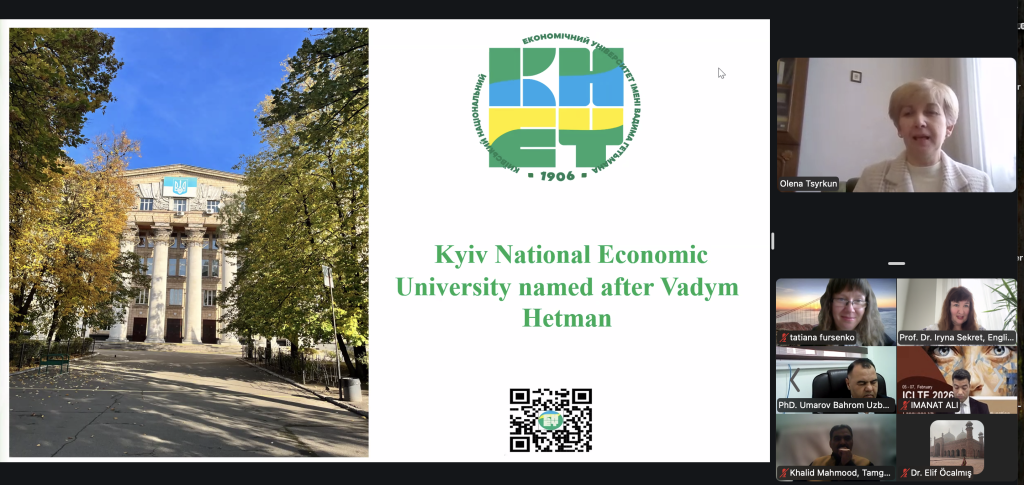
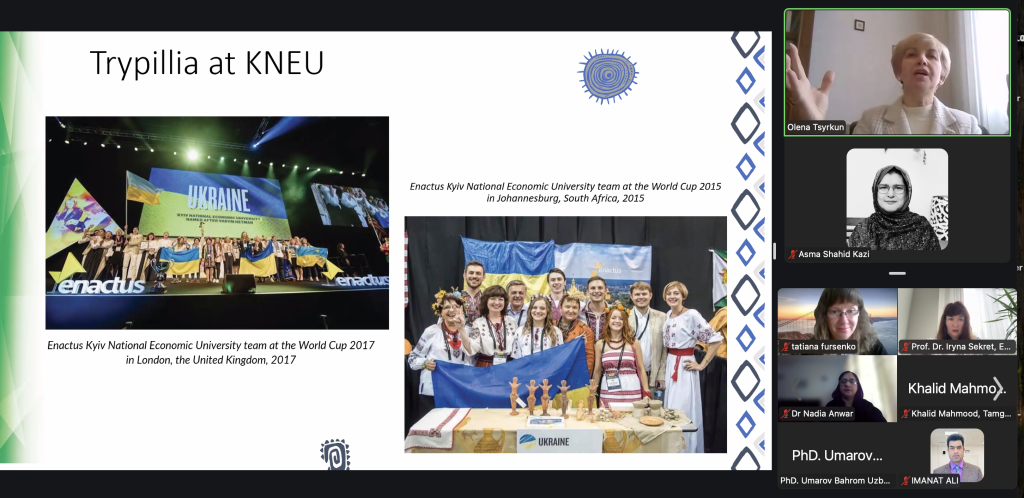
- Entrepreneurship in Education (KNEU): Dr. Olena Tsyrkun showcased how English is the “language of implementation” for student-led projects. From the Creative Spark initiative to projects like Re-Power and CBCB, Ukrainian students are using their language skills to present local innovations on the international stage.
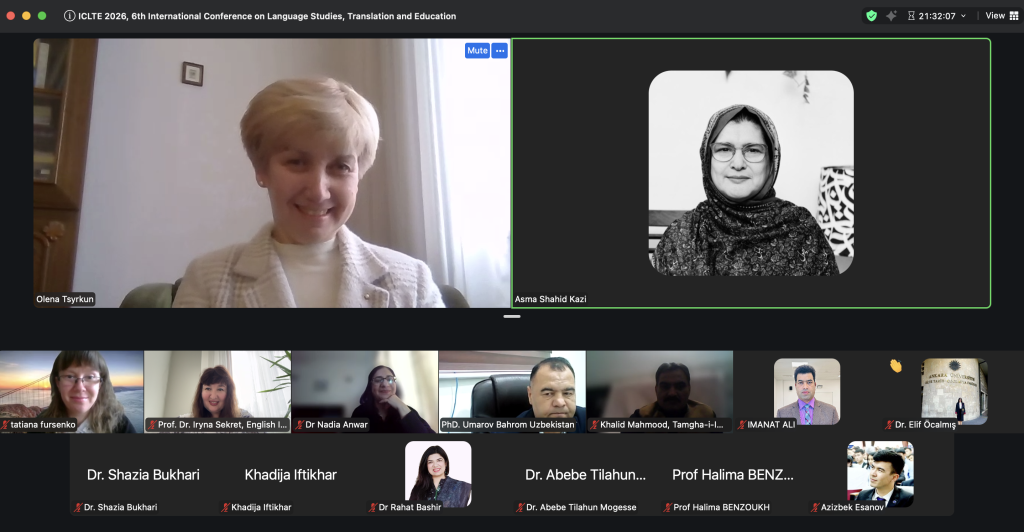
Note on Solidarity: The organizing team and session chairs (Dr. Rahat Bashir and Dr. Asma Kazi) made a special commitment to accommodate participants like Dr. Svetlana Danilina ensuring that those affected by local blackouts would have dedicated slots in later sessions.
The AI Dilemma: Pedagogy vs. Technology
The afternoon sessions delved into the “how-to” of modern teaching. A recurring theme was the ethical integration of AI.
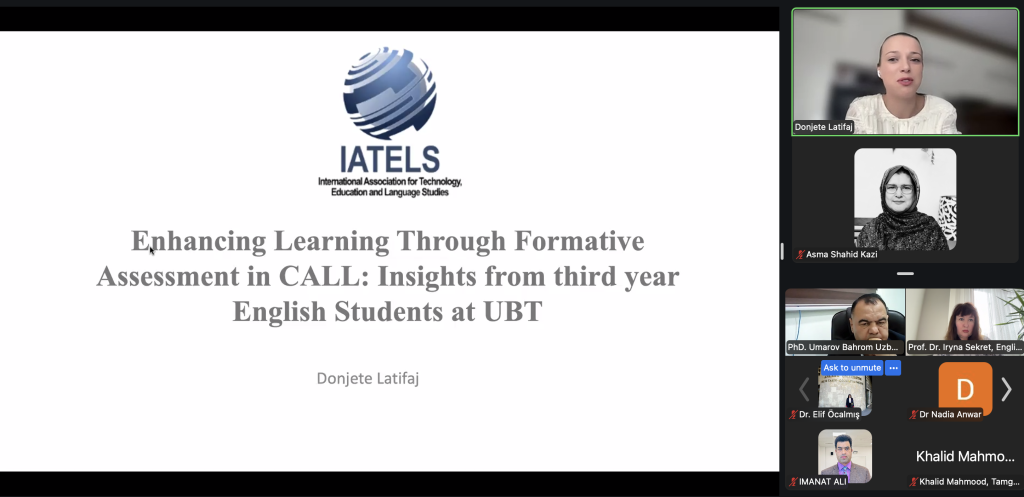
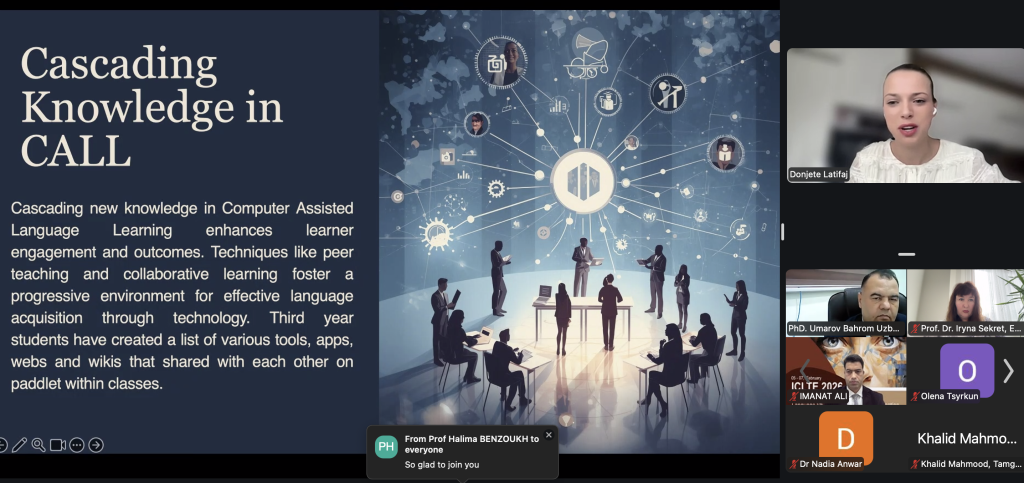
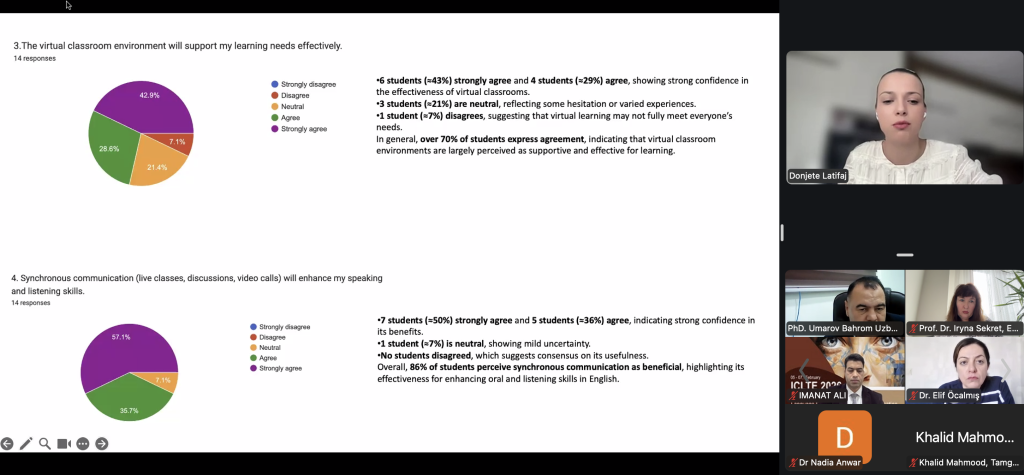
Dr. Donjete Latifaj (Kosovo) presented on enhancing learning through formative assessment in computer-assisted language learning, highlighting the positive impact of digital tools and collaborative activities.
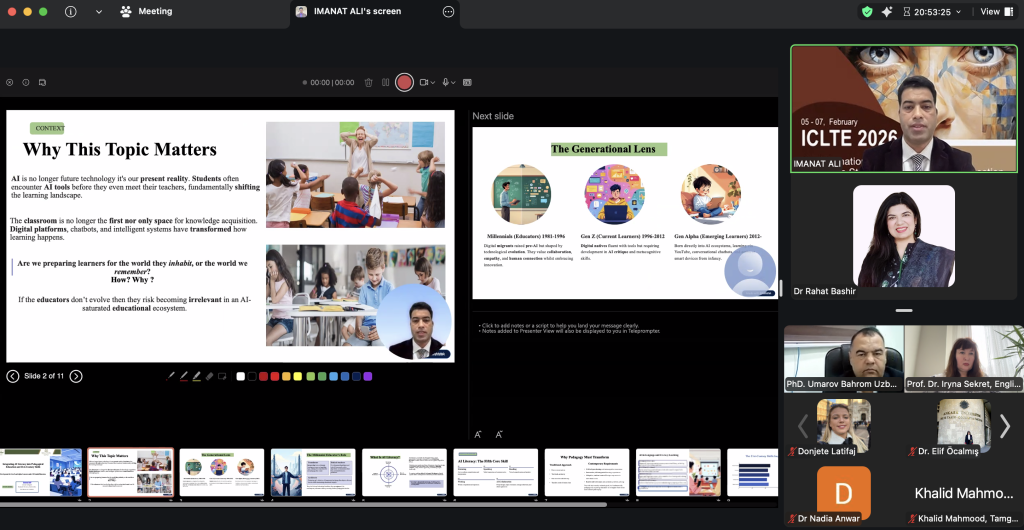
Dr, Imanat Ali (UAE/ Malasia) discussed AI-enhanced language pedagogy and 21st-century skills, emphasizing the need for educators to update their skills to prepare students for the future.
The session concluded with a discussion on the importance of human traits like empathy in teaching, and the need to integrate technology with traditional teaching methods.

- Task-Based Learning: Educators discussed moving away from simple assessments—which AI can easily replicate—toward comprehensive, task-based learning that requires genuine student input.
- 21st Century Skills: Dr. Imanat Ali and Dr. Donjete Latifaj emphasized that while AI handles the “syntax,” the teacher handles the “soul.” Discussions focused on formative assessment in computer-assisted environments, ensuring that digital tools foster collaboration rather than isolation.
Specialized Classrooms: History and Mixed-Ability Groups
The day concluded with deep dives into specific pedagogical challenges:
- History & Motivation: Dr. Olena Tsyrkun (KNEU) discussed teaching English to history students by using the history of their own universities as a primary motivator.
- Inclusive Environments: Dr. Nadia Anwar and Dr. Rahat Bashir from University of Management and Technology (Pakistan) explored the use of cultural festivals and university heritage to create inclusive, high-engagement environments for mixed-ability language learners.

The Path Forward
As the plenary meeting and the following sessions were coming to the end, the conference message became clear: We are not competing with AI; we are evolving with it. The “human traits” of empathy, storytelling, and cultural navigation remain our most valuable assets.





Comment (1)
I had the privilege of spending three engaging days at ICLTE 2026 as a presenter and a keynote speaker. The conference brought together scholars from diverse backgrounds, with rich discussions on AI in education, language studies, translation, and pedagogy. What stood out most was the resilience and passion of emerging researchers, particularly from Pakistan and Ukraine, whose commitment to research despite challenges was truly inspiring. The meaningful conversations, exchange of ideas, and collaborative spirit made this experience both professionally enriching and personally motivating.
Thank you Dr. Iryna Sekret and faculty members from University of Management and Technology Lahore Pakistan for such an insightful opportunity.