
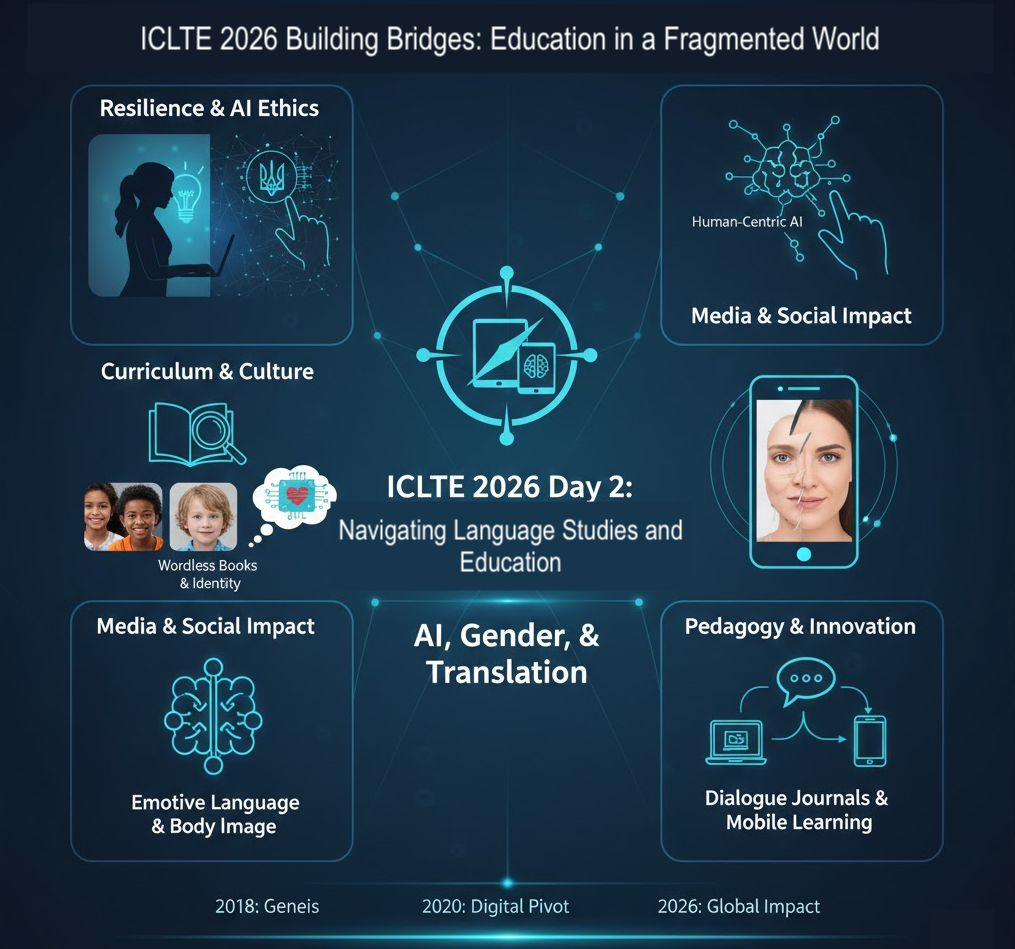
ICLTE 2026: Navigating the Intersection of Artificial Intelligence, Gender, and Cultural Identity in Language Education
ICLTE 2026 Recap: Day 2
The second day of the 6th International Conference on Language Studies, Translation and Education (ICLTE 2026) served as a vibrant crossroads for modern pedagogy.
With a heavy focus on the “human dimension” amidst a digital revolution, scholars from Pakistan, Ukraine, Ethiopia, and beyond converged to discuss how technology—specifically Artificial Intelligence—is reshaping the classroom, while simultaneously grappling with timeless issues of gender, translation, and curriculum design.
Curriculum and the “Communicative Gap”
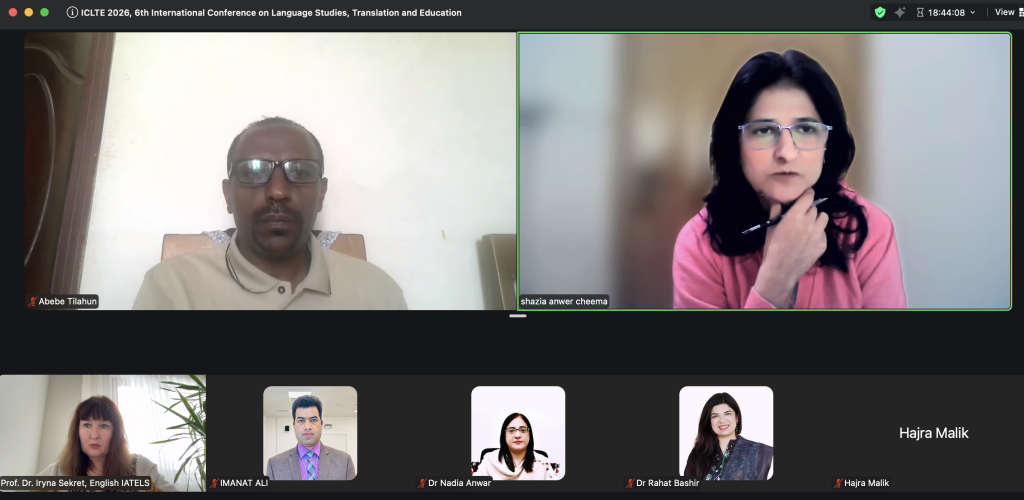
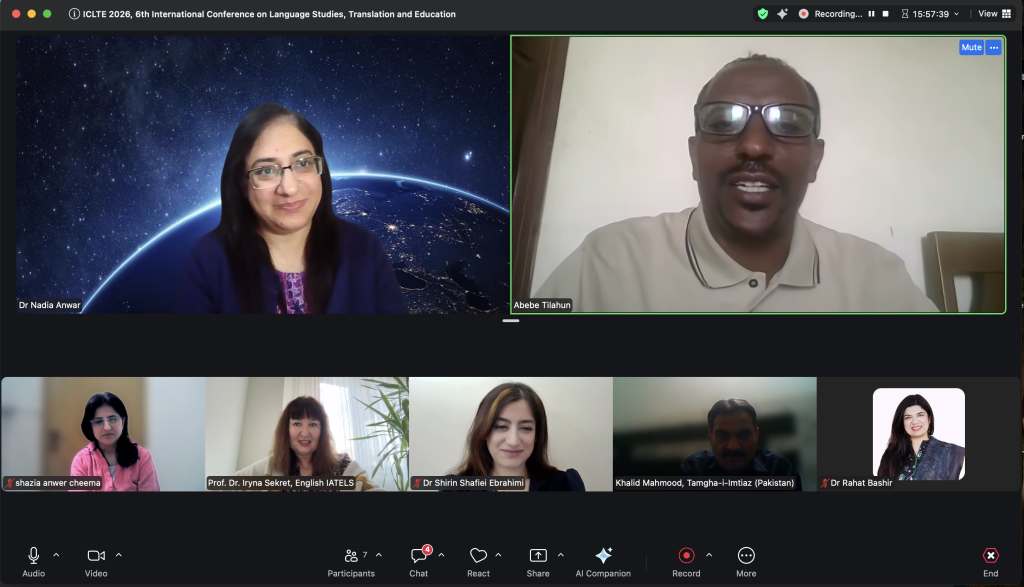
The afternoon session, chaired by Assist. Prof., Dr. Abebe Tilahun Mogesse (Department of English Language and Literature, Hawassa University, Ethiopia) and Dr. Shazia Cheema (University of Management and Technology Lahore, Pakistan).
Dr. Abebe and Dr. Shazia, opened with a critical look at early education.
Hajra Malik presented a lexicogrammatical evaluation of Grade 5 English textbooks under Pakistan’s Single National Curriculum.
The findings sparked an intense debate on the “Grammar vs. Communication” divide. While textbooks align with national learning outcomes, the research highlighted a stark lack of contextualization. Exercises often favor rote memorization over real-life application—a gap that private schools are currently filling more effectively through communicative language teaching (CLT) models. This set the stage for the next logical step: How can technology bridge this contextual gap?

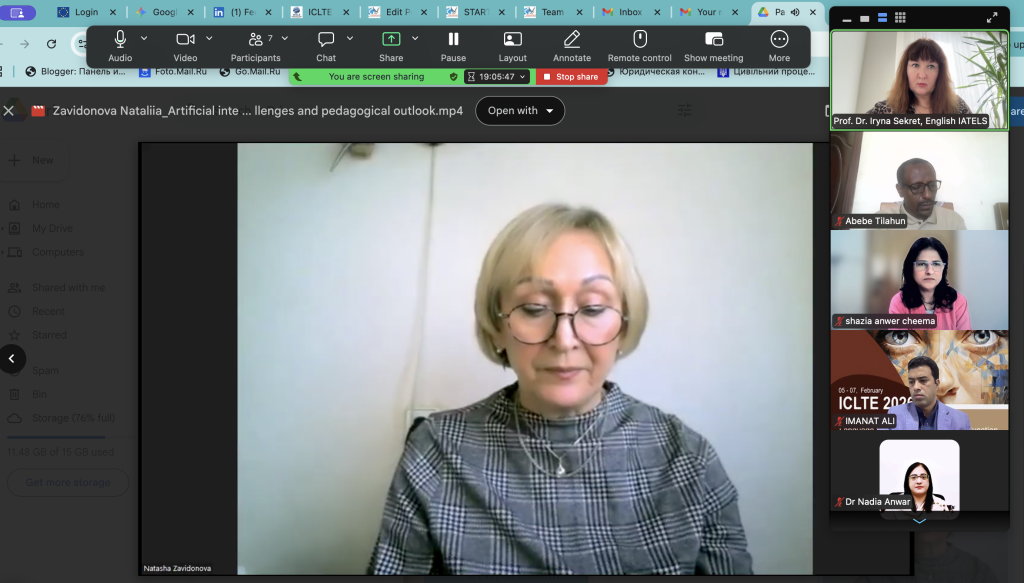
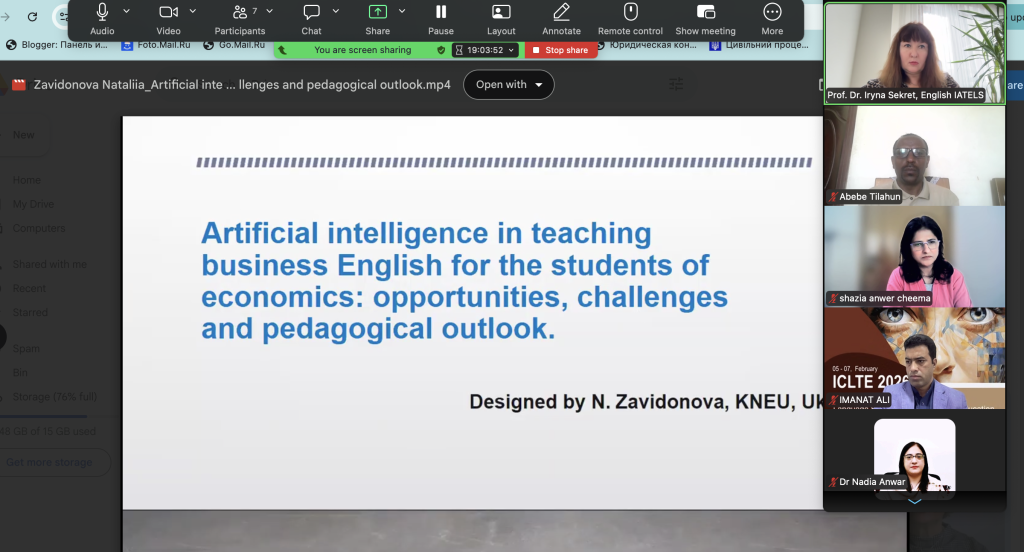
Artificial Intelligence: The New Co-Pilot in Business English
A major highlight was the exploration of AI in teaching Business English to economics students. Nataliia Zavidonova (Department of Foreign Languages, Faculty of Marketing, Kyiv National Economic University named after Vadym Hetman Kyiv, Ukraine) and Assoc. Prof., Dr. Iryna Shakhnovska (Department of Foreign Languages, Faculty of Marketing Kyiv National Economic University named after Vadym Hetman Kyiv, Ukraine) presented evidence that AI-assisted learning significantly improves proficiency compared to traditional methods.

The “Tool vs. Replacement” Paradigm
The discussion moved beyond the “hype” to practical recommendations:
- Personalized Practice: AI provides authentic, individualized language feedback.
- Ethical Stewardship: Dr. Shazia emphasized that AI must be governed by ethical frameworks to protect academic integrity.
- The Convenience Trap: Institutional support is required to ensure teachers use AI as a tool to enhance learning objectives rather than a crutch that replaces human interaction.


The Power of Emotive Language and Media Discourse
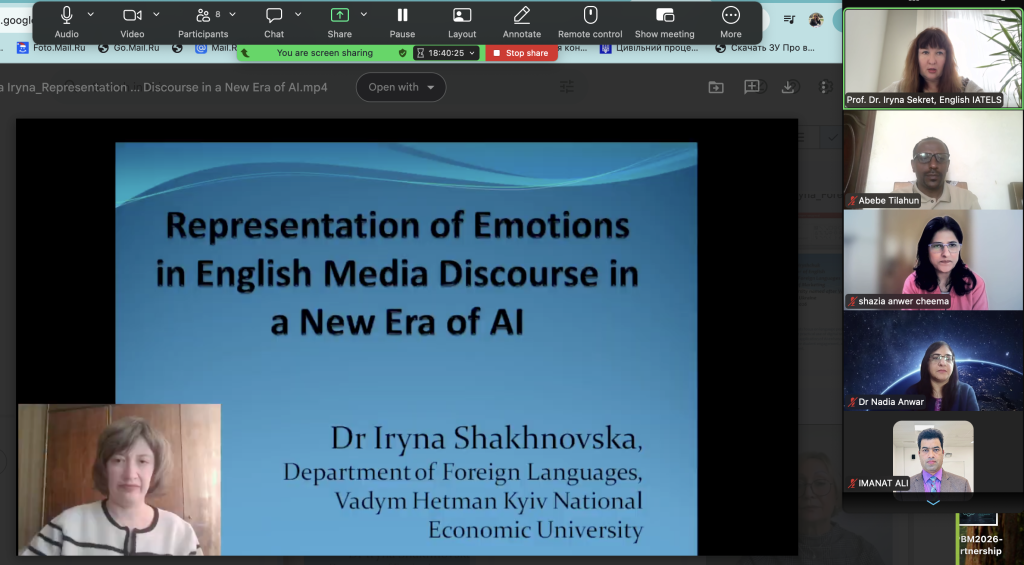
Assoc. Prof., Dr. Iryna Shakhnovska (Department of Foreign Languages, Faculty of Marketing Kyiv National Economic University named after Vadym Hetman Kyiv, Ukraine) led a deep dive into the representation of emotions in contemporary English media. Her research on “Emotive Vocabulary” explored how nouns and adjectives are strategically used to shape public opinion and narrative framing.
Prof. Dr. Nadia Anwar ( (UMT, Pakistan) and Prof. Dr. Iryna Sekret (IATELS Committee Chair) noted a concerning trend: over the past decade, political and media discourse has shifted toward more informal, emotive, and even offensive language. In an era of “post-truth journalism,” understanding how emotive vocabulary influences subjective truth is no longer just a linguistic exercise—it is a critical digital literacy skill.

Gender, Identity, and Education Under Pressure
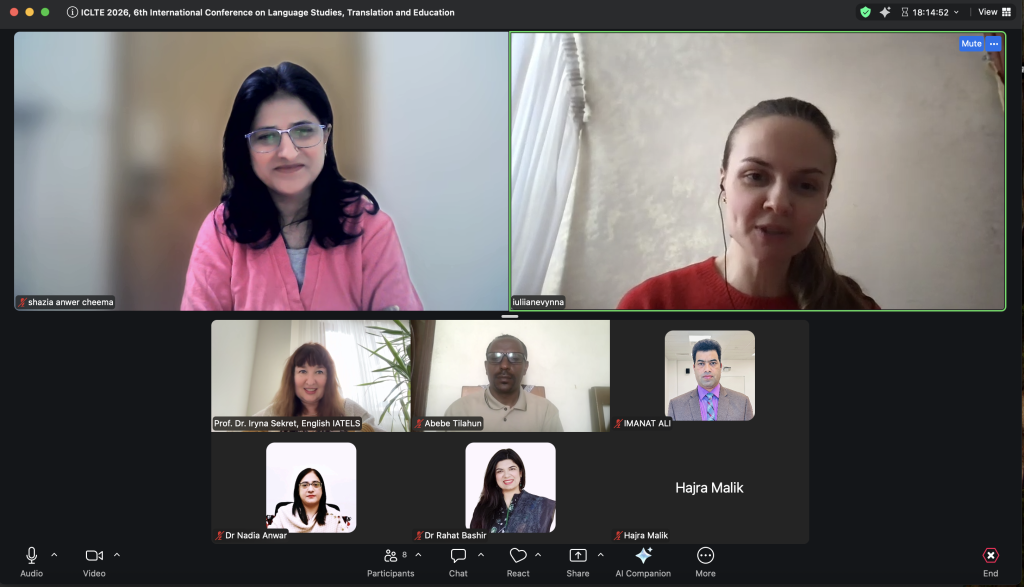
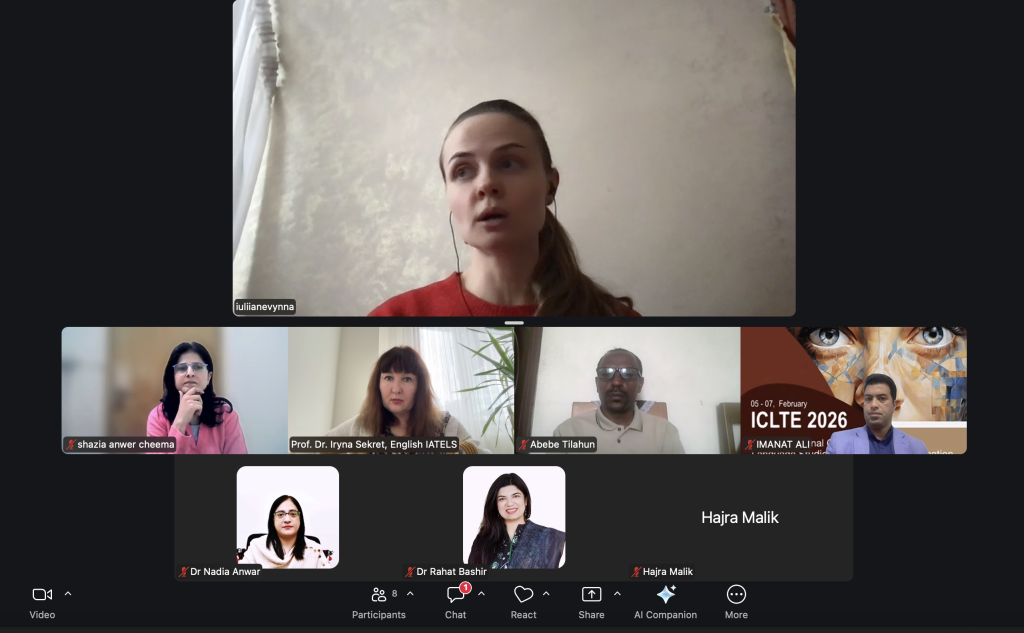
One of the most moving segments featured Assoc. Prof,. Dr. Yuliia Nevynna (Taras Shevchenko National University of Kyiv, Ukraine, Doctor of Philology of the University of Granada, Spain). Despite the immense challenges of war—including electricity and heating outages—Ukrainian academia continues to innovate online.
- Gender Bias in Textbooks: Dr. Yulia emphasized the need for teachers to critically evaluate materials for gender bias, advocating for “fairness and engagement” to promote cultural tolerance.
- The Feminization of Discourse: The session also touched on a psychosemiotic analysis of Jane Austen’s Pride and Prejudice, discussing how the novel has evolved into a feminist discourse where the author is sometimes viewed as a victim of her own counter-discourse (Fatemeh Khorram, MA Graduate in English Language and Literature Tehran, Iran).

Translation as a Cultural Filter
The conference examined how translation alters social perception. Using the example of “War and Peace,”
Prof. Dr. Iryna Sekret illustrated how Turkish readers perceive the character of Natalia differently than the original readers due to translation choices. This session reinforced the idea that translators are not just “word-changers” but cultural architects who can pivot the interpretation of a character entirely.
Pedagogical Innovation: From Journals to Mobile Apps
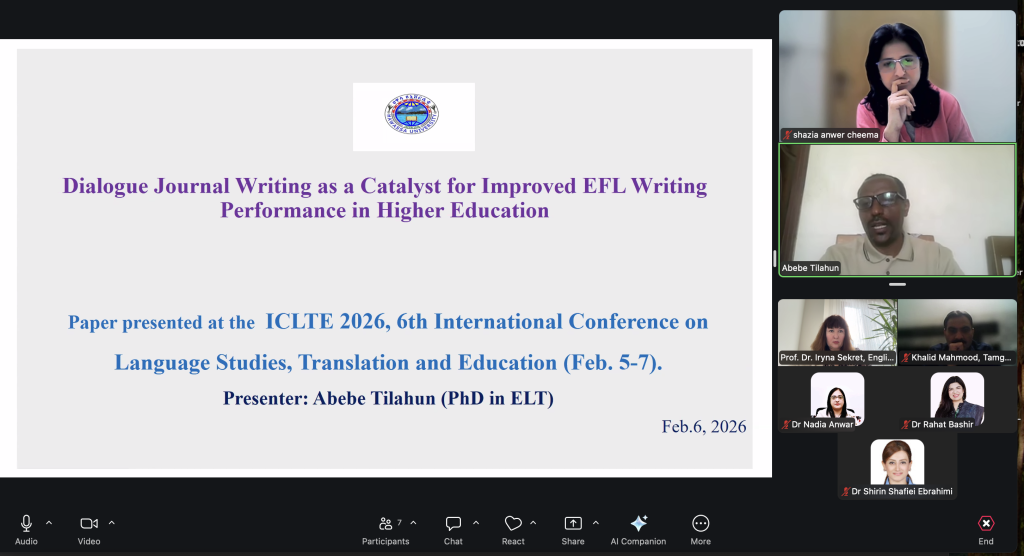
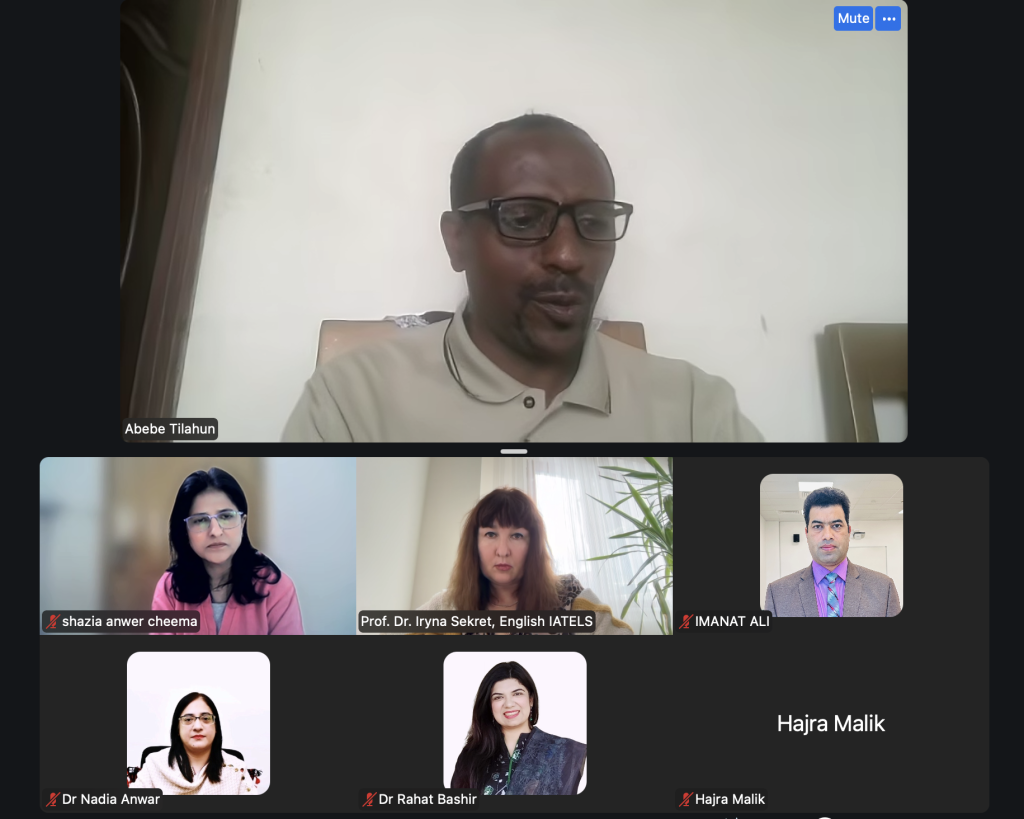
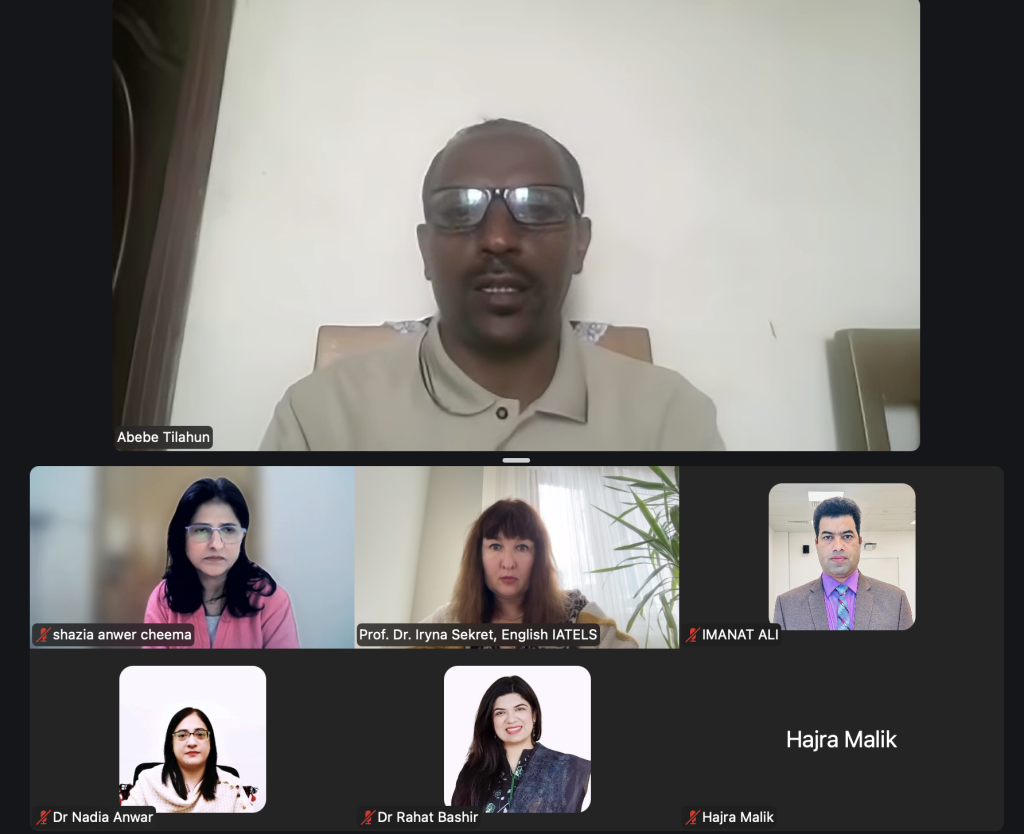
Dr. Abebe presented a study on Dialogue Journal Writing (DJW) as an alternative to traditional teaching methods, explaining that students met twice weekly for one hour over 13 weeks, writing 5-10 lines per session and receiving feedback from both peers and teachers. The study found that students in the experimental group outperformed those in the control group in content, organization, vocabulary, and language, except for mechanics.
Prof. Dr. Iryna Sekret shared her experience using Google Blogger and Facebook for collaborative writing, while
Dr. Abebe noted that the paper-based approach was chosen due to limited internet access and smartphone availability among students.
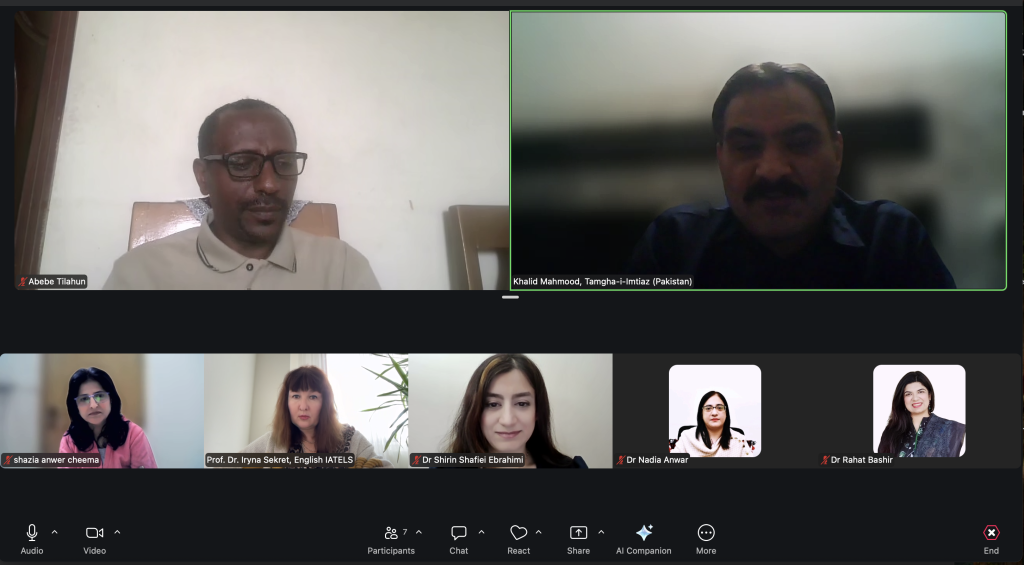
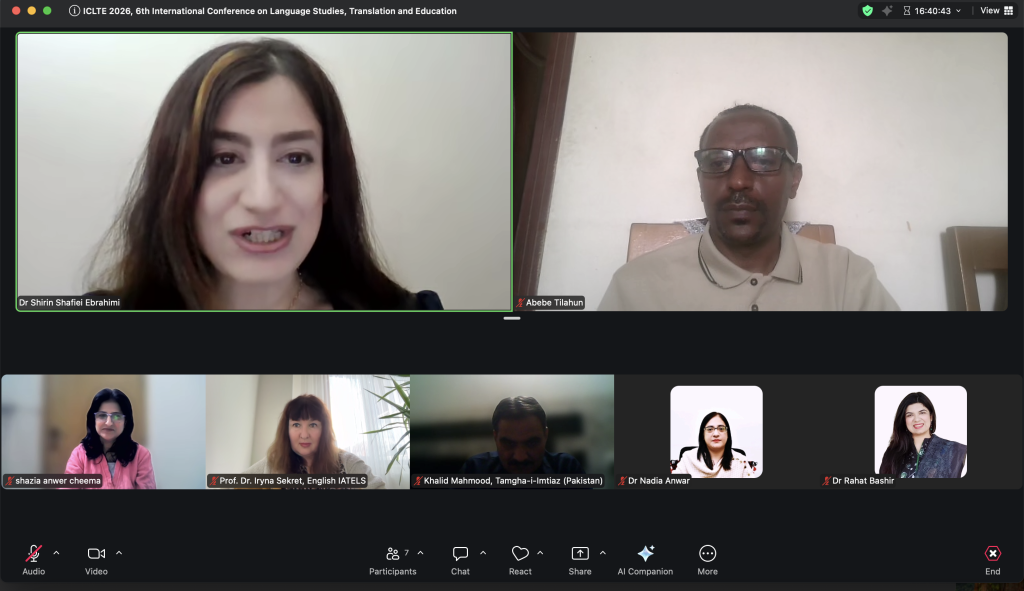
Dr. Shirin Shafiei Ebrahimi (College of Education, United States University, USA) presented her book “Mastering English on the Go: The Ultimate Guide to Mobile Apps for Language Instruction,” which offers a research-informed examination of mobile applications in English language education. She explained the book’s focus on the four main language skills and emphasized the importance of pedagogical intentionality over technological novelty.
Dr. Shirin highlighted that the book includes only free, accessible mobile applications to ensure its relevance worldwide. The book’s research was conducted with over 300 participants across North American universities, and it provides concrete implications for classroom instruction and independent practice.
The day concluded with practical strategies for the modern classroom:
- Dialogue Journal Writing (DJW): Dr. Abebe shared research from Hwasa University (Ethiopia) showing that DJW significantly improves content and organization in EFL writing. While effective, the group discussed the “Teacher Workload” challenge—managing feedback for 30+ students—and suggested peer-feedback as a vital solution.
- Mobile Learning: Dr. Shirin Shafiei Ebrahimi (College of Education, United States University, USA) introduced her new book, Mastering English on the Go. The book focuses on “pedagogical intentionality,” showcasing free, research-backed mobile apps that ensure learners worldwide can improve their skills regardless of their socioeconomic status.

Closing Reflection: The Human Dimension
The session concluded with a brief overview of the day’s presentations by Prof. Dr. Nadia Anwar (UMT, Pakistan), who highlighted the human dimension in evolving educational and technological landscapes.
As Prof. Dr. Nadia Anwar summarized in her closing remarks, the day’s sessions highlighted that while AI, mobile apps, and digital discourse are our new reality, the human dimension remains the core. Whether it is a teacher providing feedback in a dialogue journal or a student in Ukraine attending a class during a blackout, the spirit of resilience and the pursuit of ethical, inclusive education are what drive the ICLTE mission.









Leave a Reply