
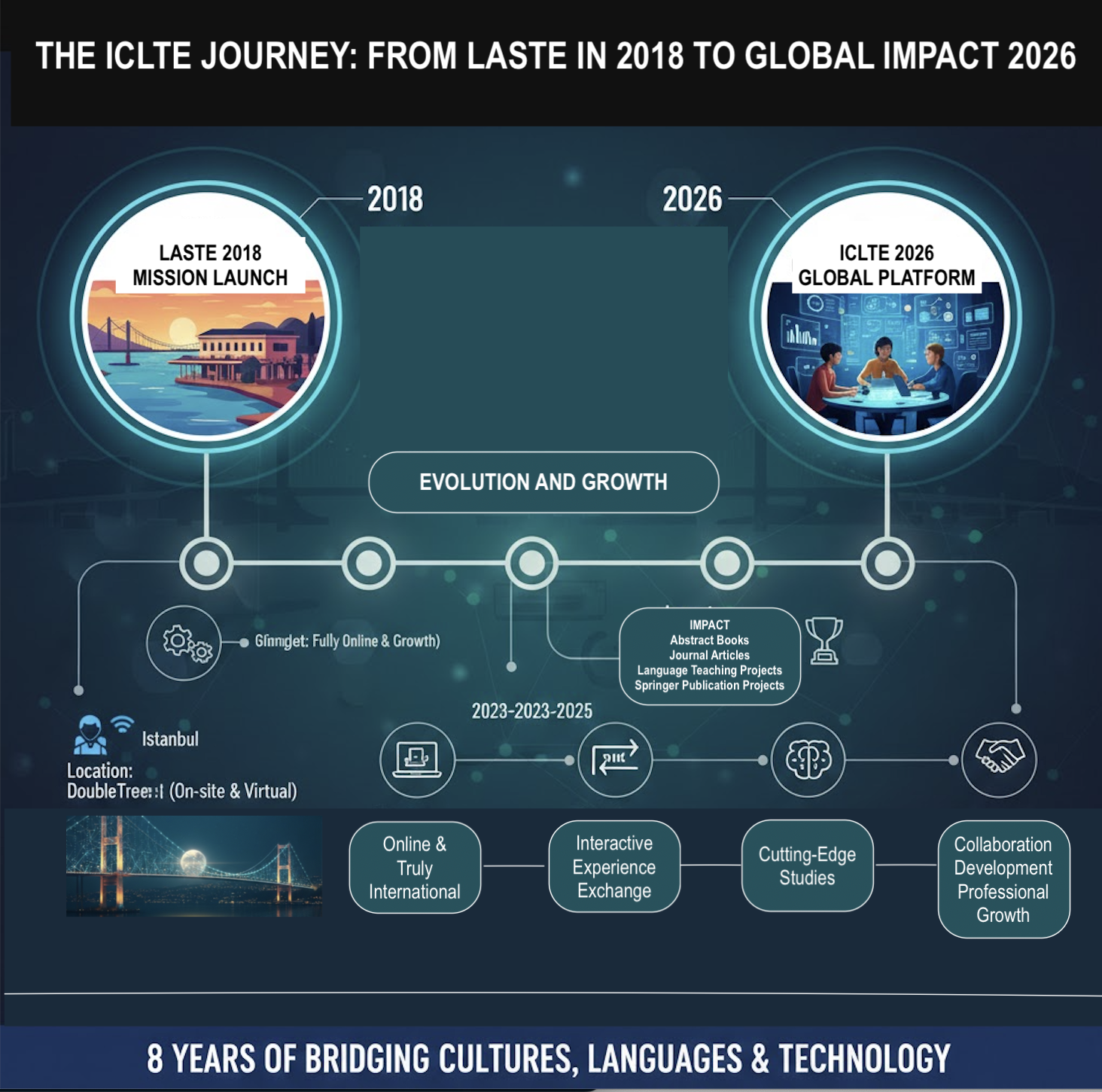
From LASTE to ICLTE: The Evolution of a Global Academic Mission (2018–2026)
The landscape of language studies, translation, and education has undergone a seismic shift over the last decade. At the heart of this transformation has been a forum that began as a visionary meeting in Istanbul and evolved into a global powerhouse of research and development.
As we celebrate the journey of the International Conference on Language Studies, Translation and Education (ICLTE), we look back at its 2018 origins as LASTE and its growth into a cutting-edge influential forum.
2018: The Genesis at the Bosphorus
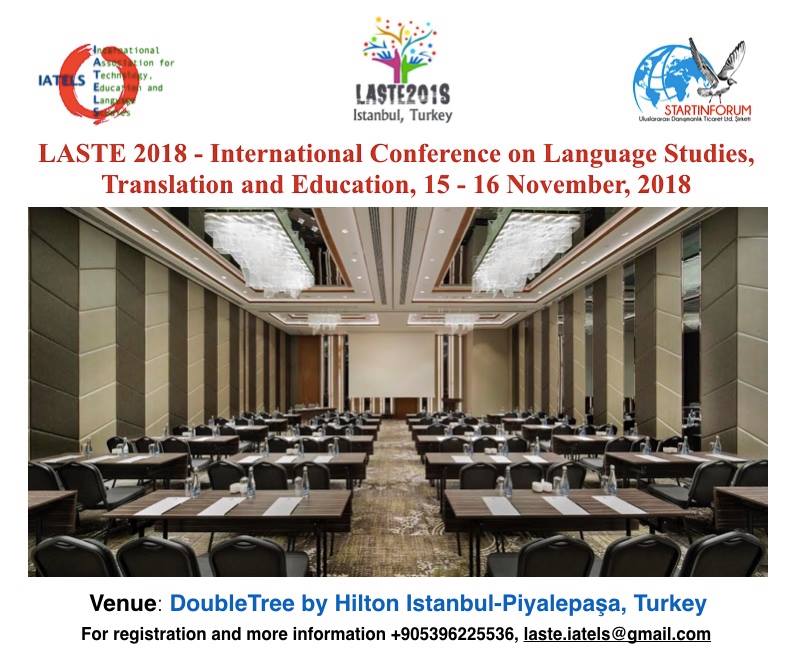
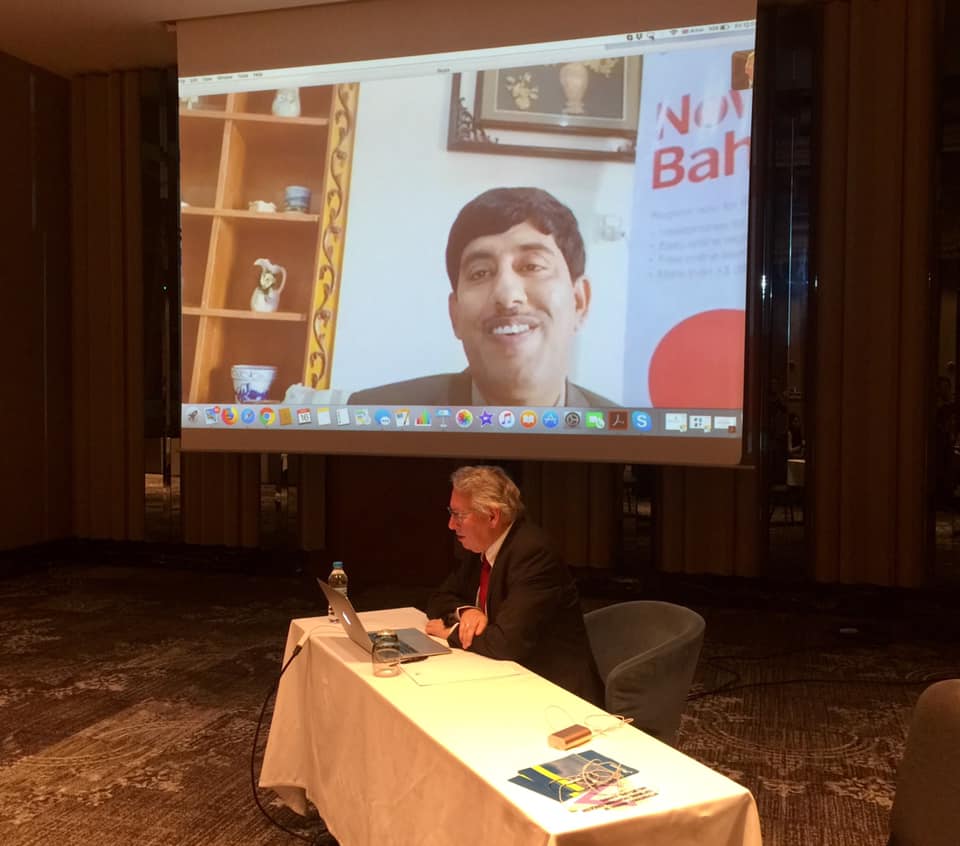
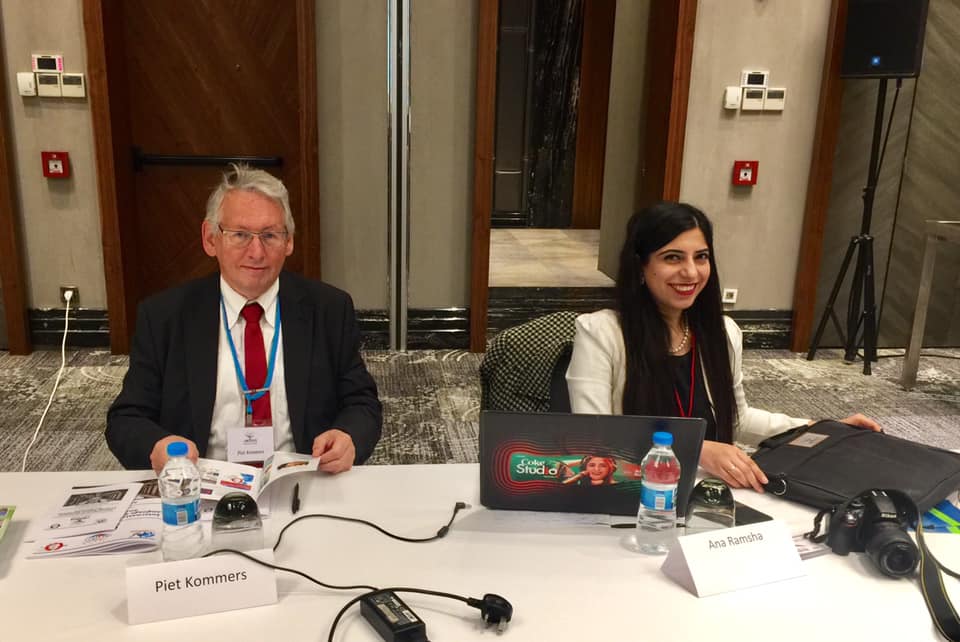
In 2018, the inaugural LASTE conference was launched at the DoubleTree by Hilton Hotel in Istanbul.
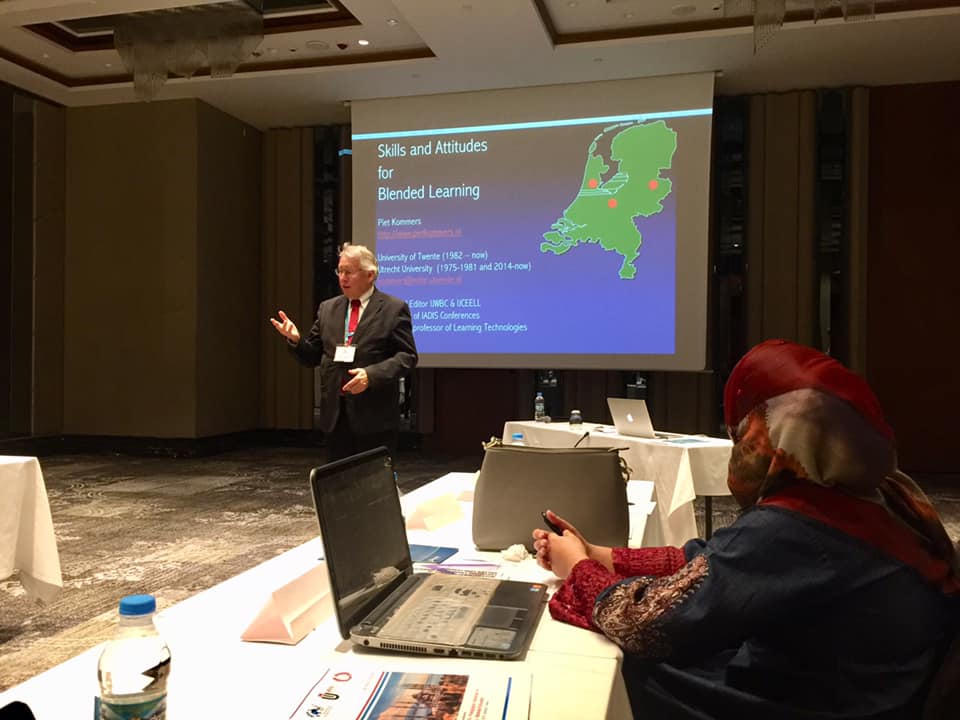
Even then, the organizers recognized that the traditional academic model was becoming stagnant. The world needed a “blended” approach—long before “hybrid” became a household term.
The 2018 Context: Addressing Then-Current Needs
At that time, the primary challenges in the field were:
- Methodological Silos: Translation was often taught separately from linguistics, and education was often divorced from project management.
- The Literacy Gap: Educators were just beginning to grapple with the early stages of the “digital turn” in classrooms.
- Geopolitcal Barriers: Researchers from the Global South and Eastern Europe often struggled to find a common platform with Western academics.
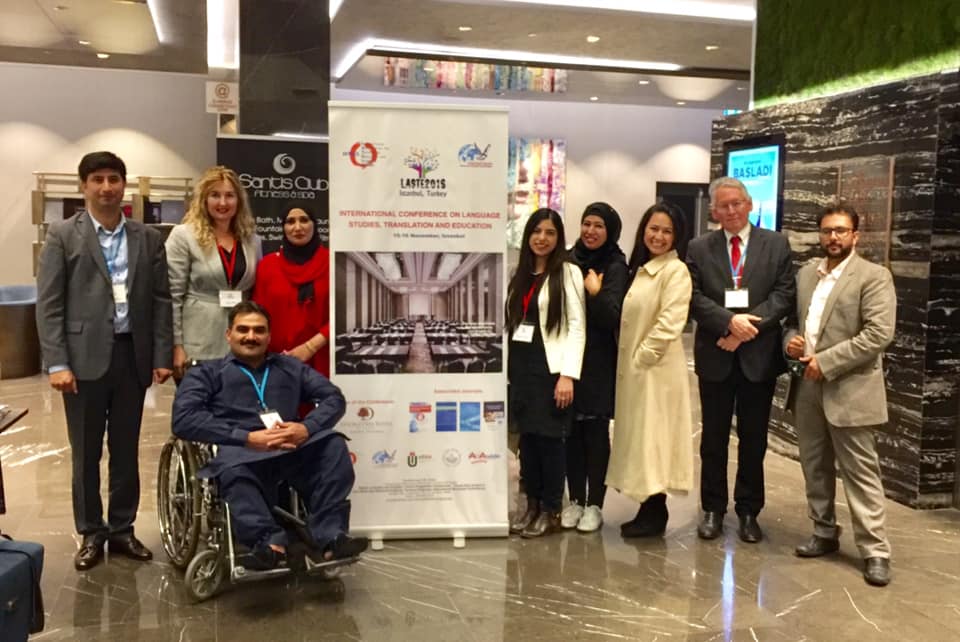
The 1st LASTE conference bridged these gaps by bringing together representatives from the Netherlands, Pakistan, the UK, Bolivia, Türkiye, and Ukraine.
It wasn’t just about reading papers; it was about interactive workshops on Project Management in Social Studies, teaching researchers how to turn academic theories into funded, impactful international projects.


The Rebranding: From LASTE to ICLTE
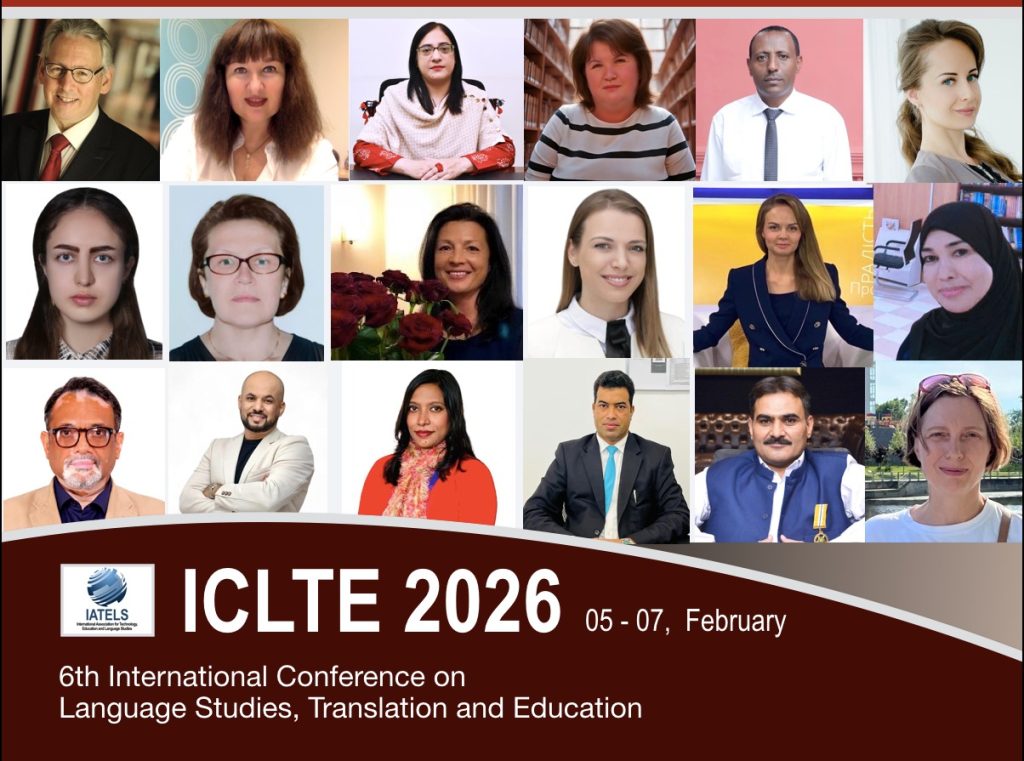
As the mission expanded, the conference rebranded to ICLTE.
This wasn’t merely a name change; it was a shift in scope. The rebranding signaled a move toward a more integrated, “interdisciplinary” focus, recognizing that language, translation, and education are three pillars of a single global conversation.

The Shift in Needs: 2018 vs. 2026
The developments over these eight years reflect the changing pulse of the academic world:
| Feature | The 2018 Need (LASTE) | The 2026 Need (ICLTE) |
| Technology | Basic digitalization and CALL (Computer-Assisted Language Learning). | AI Agency, Ethical Integration, and VR/AR immersive learning. |
| Translation | Human translation vs. early Machine Translation. | Post-editing, Human-in-the-loop (HITL), and cultural localization in the age of LLMs. |
| Pedagogy | Student-centered learning models. | Trauma-informed pedagogy, SEL, and “Out-humaning” AI. |
| Collaboration | Bilateral university partnerships. | Multilateral “Teacherpreneurship” and global research ecosystems. |
A Platform for Cutting-Edge Research
Today, ICLTE is more than a conference; it is a mission-driven forum. It has developed into a space where:
- Impactful R&D takes place, particularly in the field of translanguaging and multimodal proficiency.
- Cross-Border Communication is facilitated, as seen in recent sessions focusing on the digital revival of underrepresented languages like Punjabi or Urdu.
- Professional Resilience is built, helping teachers from conflict zones (like our colleagues in Ukraine) maintain academic continuity through technology.
The Road Ahead: 2026 and Beyond
From the first sessions in Istanbul to the massive digital and physical presence we see today, ICLTE continues to ask the hard questions. How do we preserve cultural heritage in a digital world? How do we ensure that technology serves humanity, rather than the other way around?
The mission that launched at the DoubleTree by Hilton in 2018 continues to grow, fostering an influential academic community that is truly cutting-edge, international, and impactful.






Leave a Reply